
If you’ve started noticing that your frown lines linger long after you’ve relaxed your face or that forehead creases and crow’s feet seem more noticeable than they used to be, you may have begun wondering whether Botox is right for you. It’s normal to feel excited and a little uncertain before your first treatment. You probably have questions about what to expect, how to prepare, whether the procedure hurts, and how you can achieve the best possible results.
At Quintessa Aesthetic Center, with locations serving the greater Milwaukee area as well as patients throughout southeastern Wisconsin, you’ll receive personalized guidance every step of the way. We walk you through everything you should know before your first Botox appointment, from preparing your skin and medications to understanding treatment areas and what happens during your visit.
How to prepare for your Botox appointment
Preparing for Botox is straightforward, but a few simple steps beforehand can help reduce the likelihood of unnecessary bruising and ensure your treatment day is as comfortable as possible. If you’re visiting Quintessa for the first time, arriving well prepared also allows you to focus on discussing your aesthetic goals instead of worrying about logistics.
Schedule your appointment at the right time
If you have an important event, wedding, vacation, reunion, or professional engagement coming up, avoid scheduling Botox at the last minute. While many people begin noticing improvement within a few days, botulinum toxin generally takes up to two weeks to reach its full cosmetic effect. Planning ahead gives your treatment time to settle naturally and allows any minor swelling or bruising to resolve before your special occasion.
Avoid alcohol for 24 to 48 hours beforehand
Alcohol can increase the likelihood of bruising after injections. Avoiding beer, wine, liquor, and cocktails for at least one to two days before your appointment may help minimize bruising around the injection sites. Hydrating well during this period is also beneficial because healthy, hydrated skin generally responds better during cosmetic treatments.
Review your medications with your provider
Certain medications and supplements can increase bleeding or bruising. Never stop prescription medications without speaking to the healthcare professional who prescribed them, but make sure you tell your Quintessa provider about everything you take, including prescription medications, over-the-counter pain relievers, vitamins, and herbal supplements. Your provider can advise you if any adjustments are appropriate before treatment.
Arrive with a clean, makeup-free face
Come to your appointment with freshly cleansed skin whenever possible. Removing makeup, sunscreen, and heavy skincare products allows your provider to clearly evaluate your facial anatomy and cleanse the treatment area before injections. If you’re coming directly from work, arriving a few minutes early gives you time to freshen up if needed.
Eat a light meal before your appointment
You don’t need to fast before Botox. Instead, eating a light meal beforehand can help you feel more comfortable throughout the appointment and may reduce the chance of feeling lightheaded, especially if you’re nervous about injections. Choose something balanced with protein and healthy carbohydrates, and continue drinking water throughout the day.
Stay hydrated
Hydration supports overall skin health and can help you feel your best during your visit. Drink plenty of water the day before and the day of your appointment. Although hydration won’t change how Botox works, feeling well hydrated often contributes to a more comfortable overall experience.
Prepare your questions in advance
Your first Botox appointment is an excellent opportunity to discuss your goals and concerns. Before arriving, think about the areas that bother you most, whether you’re hoping to soften forehead lines, relax frown lines, minimize crow’s feet, or prevent wrinkles from becoming more pronounced. Writing down your questions beforehand helps ensure you leave feeling informed about your treatment plan.
Dress comfortably
Comfortable clothing makes any medical aesthetic appointment more enjoyable. Avoid hats or tight headbands that press on your forehead immediately after treatment if you’re having injections in the upper face.
Plan for normal daily activities afterward
Most people return to work, errands, or social activities immediately after Botox. Even so, try to avoid scheduling strenuous exercise or activities requiring prolonged bending over later that day unless your provider advises otherwise.
What to avoid before Botox
Preparing for Botox isn’t only about what you should do: it’s also about avoiding habits, medications, and skincare products that may increase bruising or irritate your skin before treatment. Your provider will review your medical history during your consultation, but following these general recommendations can help set you up for a smoother experience.
In the days leading up to your appointment, it’s generally recommended to avoid the following whenever appropriate and approved by your prescribing healthcare professional:
- NSAIDs such as ibuprofen or naproxen, when medically appropriate
- Fish oil supplements that may increase bruising
- Vitamin E supplements unless medically necessary
- Retinol and retinoid skincare products on the treatment area for several days beforehand
- Tanning, sunburns, or excessive UV exposure before treatment
How many units of Botox do you need? A treatment-area breakdown
Every face is unique, which means the exact number of Botox units you’ll receive depends on your anatomy, muscle strength, treatment goals, and whether you’re seeking wrinkle prevention or correction. During your consultation at Quintessa, our providers will determine the most appropriate treatment plan for you. The following ranges represent common guidelines rather than fixed recommendations.
Glabellar lines (frown lines)
The vertical “11” lines between your eyebrows often require the greatest number of units because the muscles responsible for these expressions are relatively strong. According to the American Family Physician, a typical Botox treatment for glabellar (frown) lines commonly requires approximately 20 units or more.
Horizontal forehead lines
Forehead lines generally require fewer units than the glabella because treatment must maintain natural facial expression while softening visible creases. Many patients receive approximately 10 to 20 units, depending on muscle strength and forehead size.
Crow’s feet
The fine lines extending outward from the corners of your eyes are commonly treated with approximately 8 to 10 units per side, though your provider may adjust this based on your anatomy and treatment goals. Treating crow’s feet often creates a refreshed appearance while preserving natural smiling.
Bunny lines
Wrinkles across the bridge of your nose typically require relatively small amounts of Botox. Many patients need approximately 4 to 10 units.
Brow lift
Strategically placed Botox can create a subtle lifting effect around the eyebrows by relaxing muscles that pull the brows downward. Typical treatment may require approximately 2 to 5 units in carefully selected locations.
Chin dimpling
Botox can soften the appearance of an uneven or pebbled chin by relaxing overactive mentalis muscles. Treatment often ranges from 4 to 8 units.
Lip flip
A lip flip uses small amounts of Botox around the upper lip to encourage a subtle outward roll of the lip. Most treatments require approximately 4 to 8 units.
Neck bands
Prominent vertical neck bands may be treated using higher total doses distributed across several injection sites. Treatment commonly ranges between 20 and 50 units, depending on the number and strength of the platysmal bands.
What happens during your first Botox visit at Quintessa
Knowing what to expect often makes first-time cosmetic treatments much less intimidating. Botox appointments are typically efficient, comfortable, and personalized, allowing you to return to your normal routine shortly afterward.
Your consultation comes first
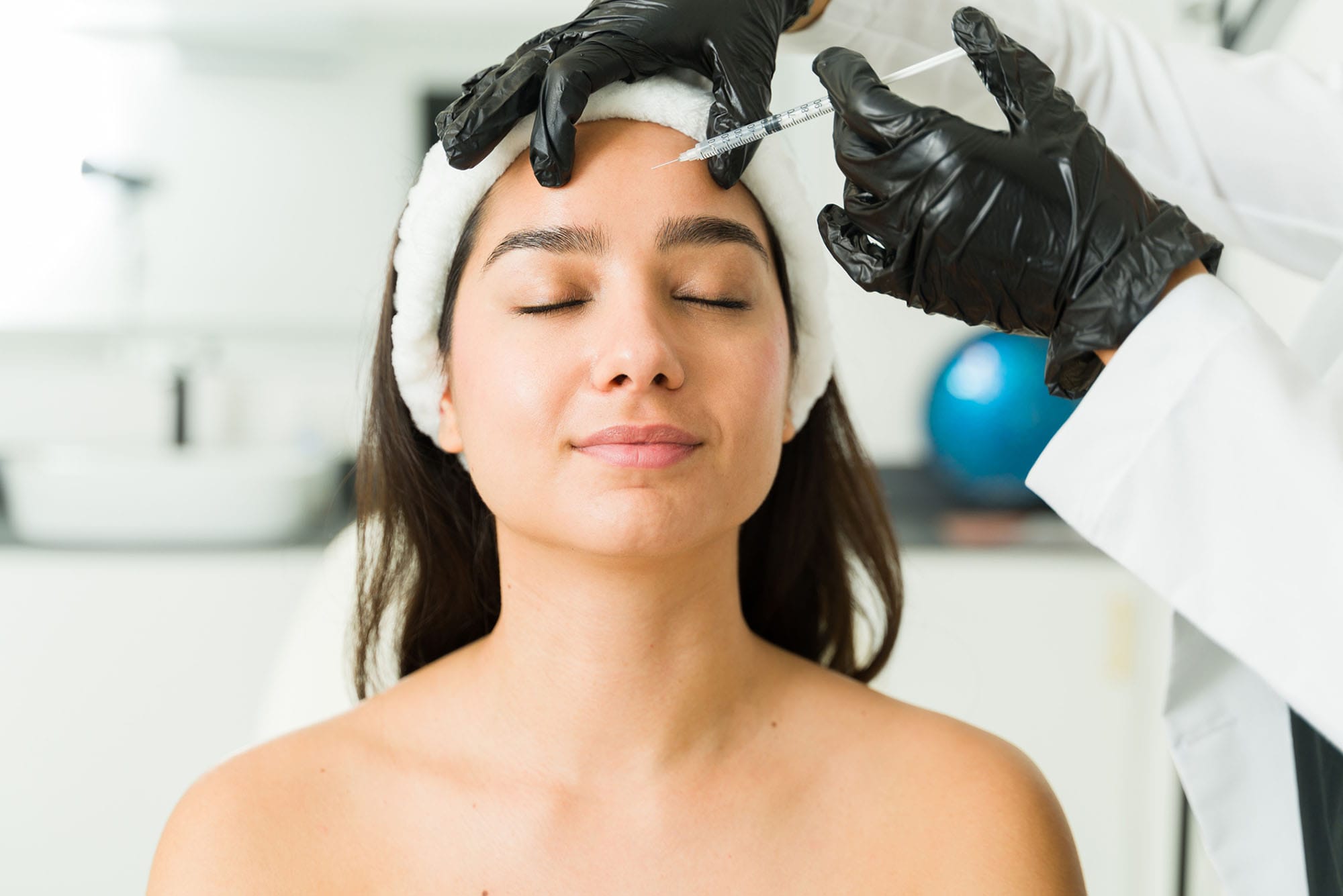
Your visit begins with a conversation about your concerns, goals, medical history, previous cosmetic treatments, medications, and expectations. Your provider will evaluate your facial anatomy both at rest and while making natural facial expressions to identify which muscles are contributing to your wrinkles. Together, you’ll develop a customized treatment plan to produce natural-looking results that complement your facial features.
Your treatment areas are carefully mapped
Before injections begin, your provider will identify precise injection points based on your muscle movement rather than relying on a one-size-fits-all approach. This customized mapping helps achieve balanced, natural results while minimizing the risk of unwanted muscle relaxation.
The injections are quick and precise
Botox is administered using an extremely fine needle. Most patients describe the sensation as a quick pinch lasting only a few seconds. The entire injection process often takes just 10 to 20 minutes, depending on how many areas are being treated.
You’ll receive personalized aftercare instructions
Once your injections are complete, your provider will review simple aftercare recommendations, including avoiding rubbing or massaging treated areas for about 24 hours and remaining upright for several hours afterward. These instructions help keep the medication where it was intended to work.
You can return home immediately
There is typically no downtime following Botox. Most patients return to work, shopping, dining, or other daily activities immediately after leaving the office. Minor redness, swelling, or pinpoint bruising occasionally occurs but usually resolves quickly.
You’ll watch your results develop gradually
Although some patients notice changes within a few days, full improvement typically develops over about two weeks. According to American Family Physician, cosmetic effects generally last approximately three to four months, after which maintenance treatments are commonly recommended to preserve your results.
Frequently asked questions
Does Botox hurt?
Most people find Botox very tolerable. The injections use an extremely fine needle, and any discomfort typically lasts only a few seconds.
How much does Botox cost?
Pricing depends on the number of units used and your individualized treatment plan. According to the American Society of Plastic Surgeons, the average professional fee for botulinum toxin injections nationally is $435. Your total investment may differ depending on your treatment goals and the areas being addressed.
Will I still look natural?
When Botox is administered thoughtfully and tailored to your facial anatomy, the goal is to soften unwanted lines while preserving your natural facial expressions. Rather than looking different, you should simply look refreshed and well-rested.
How often will I need treatment?
Because Botox gradually wears off, most patients schedule maintenance treatments every three to four months to maintain consistent results. Your provider will recommend a schedule based on your individual response and aesthetic goals.
Feel confident about your first Botox experience
Trying Botox for the first time is an exciting step toward feeling more confident in your appearance. By preparing ahead of time, following your provider’s instructions, and understanding what to expect, you can approach your appointment feeling at ease.
At Quintessa Aesthetic Center, you’ll receive personalized care tailored to your goals. Whether you’re visiting the Brookfield location serving the greater Milwaukee area, the Mequon office, or another Quintessa location, our team is committed to helping you achieve refreshed, natural-looking results. Schedule your consultation to learn whether Botox is the right choice for you and begin your journey toward looking as vibrant as you feel.

Medically Reviewed by: Dr. Andrew Campbell
Double-Board-Certified Facial Plastic and Reconstructive Surgeon
About Dr. Campbell